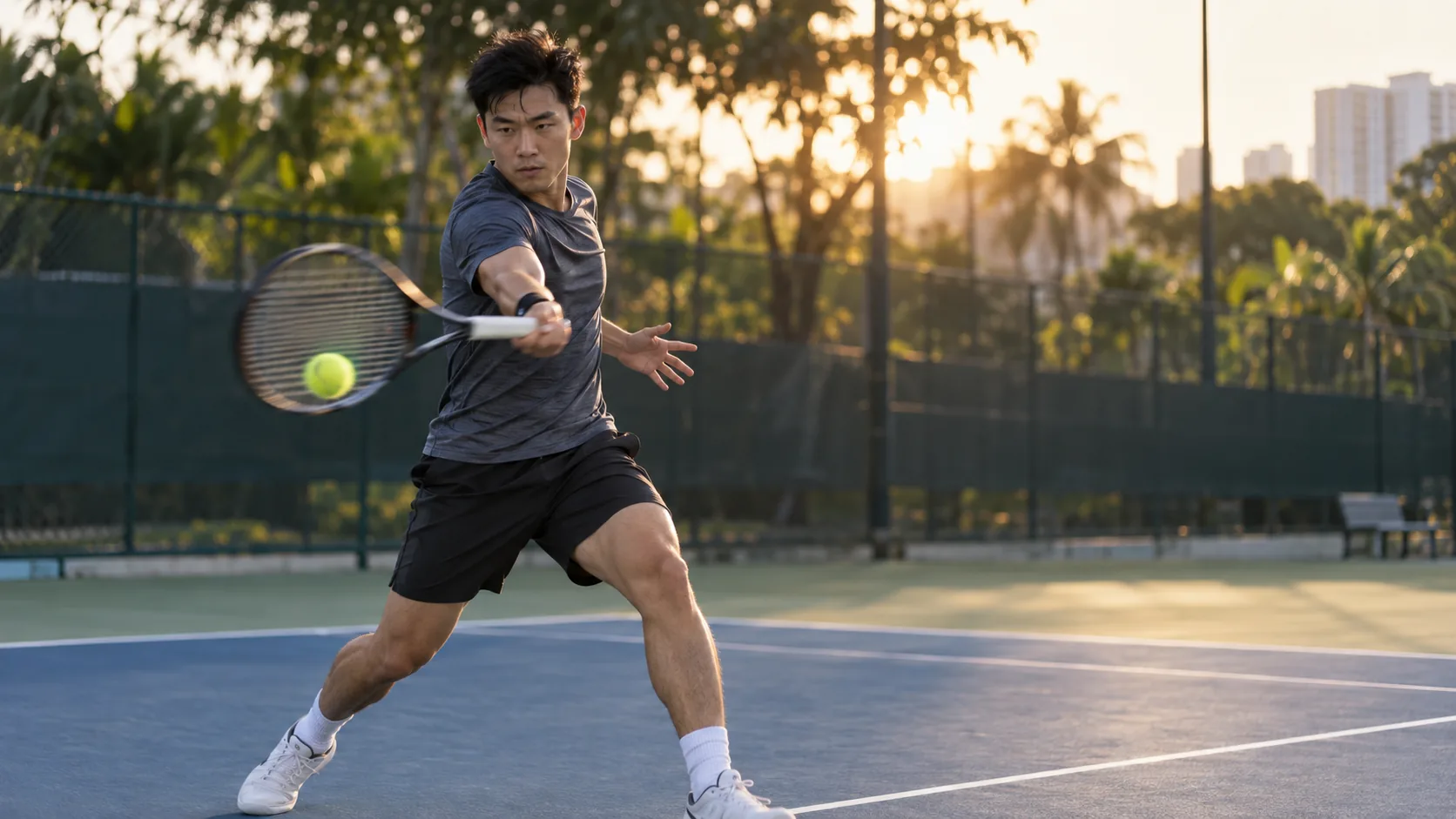
Racquet retail and stringing,
Queensway Shopping Centre.
Open 11am to 8pm. Closed Mondays.
The Racquet
Assembly
Tuesday to Sunday, 11am to 8pm · Queensway Shopping Centre #01-26B
Pick your frame
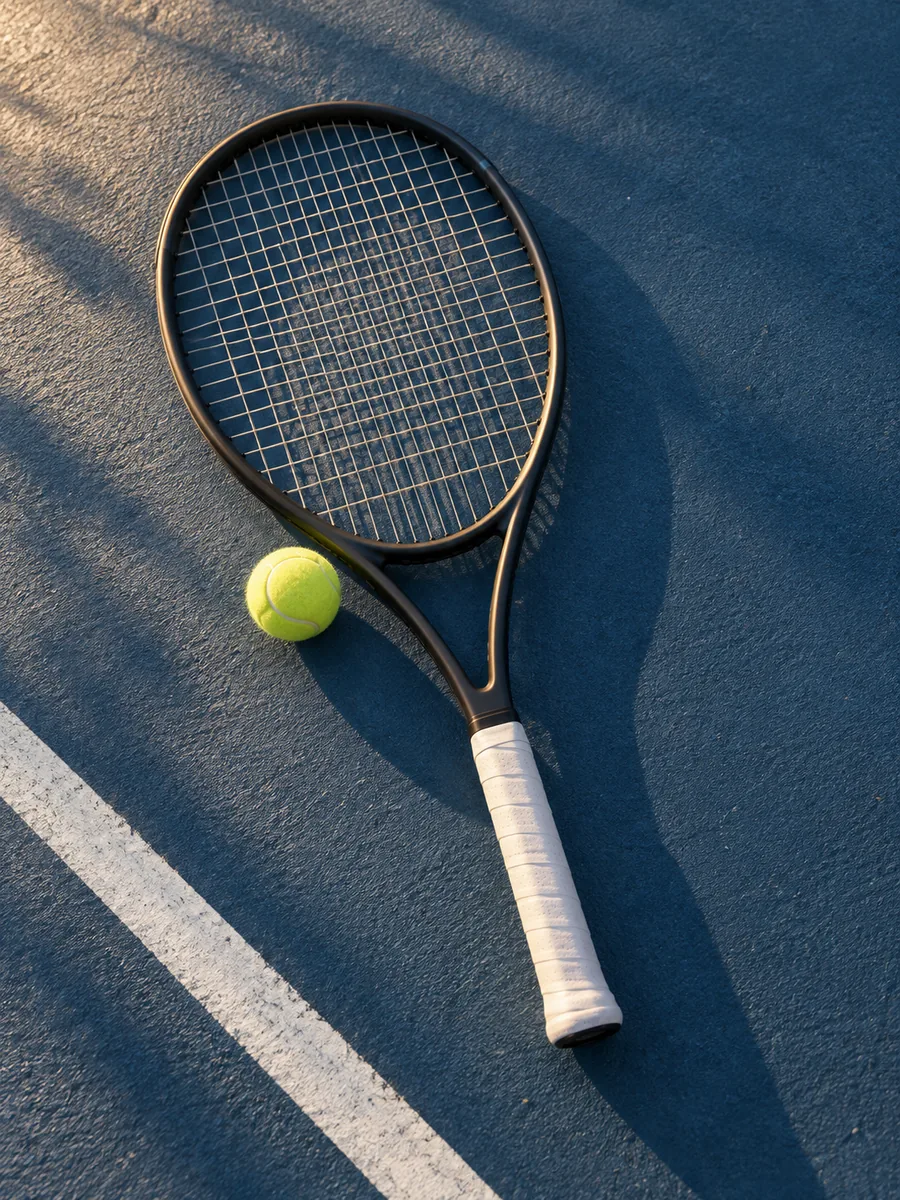
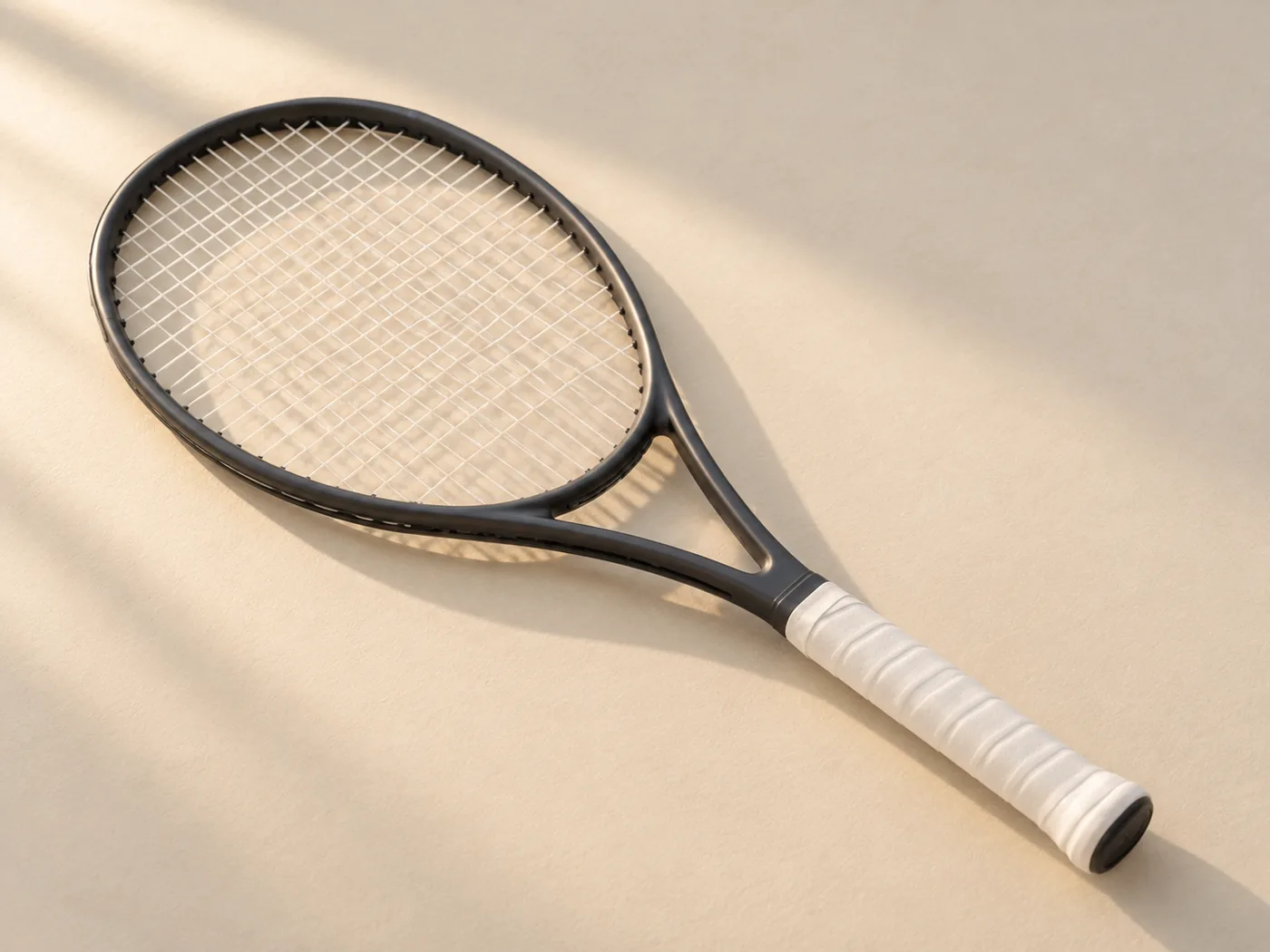
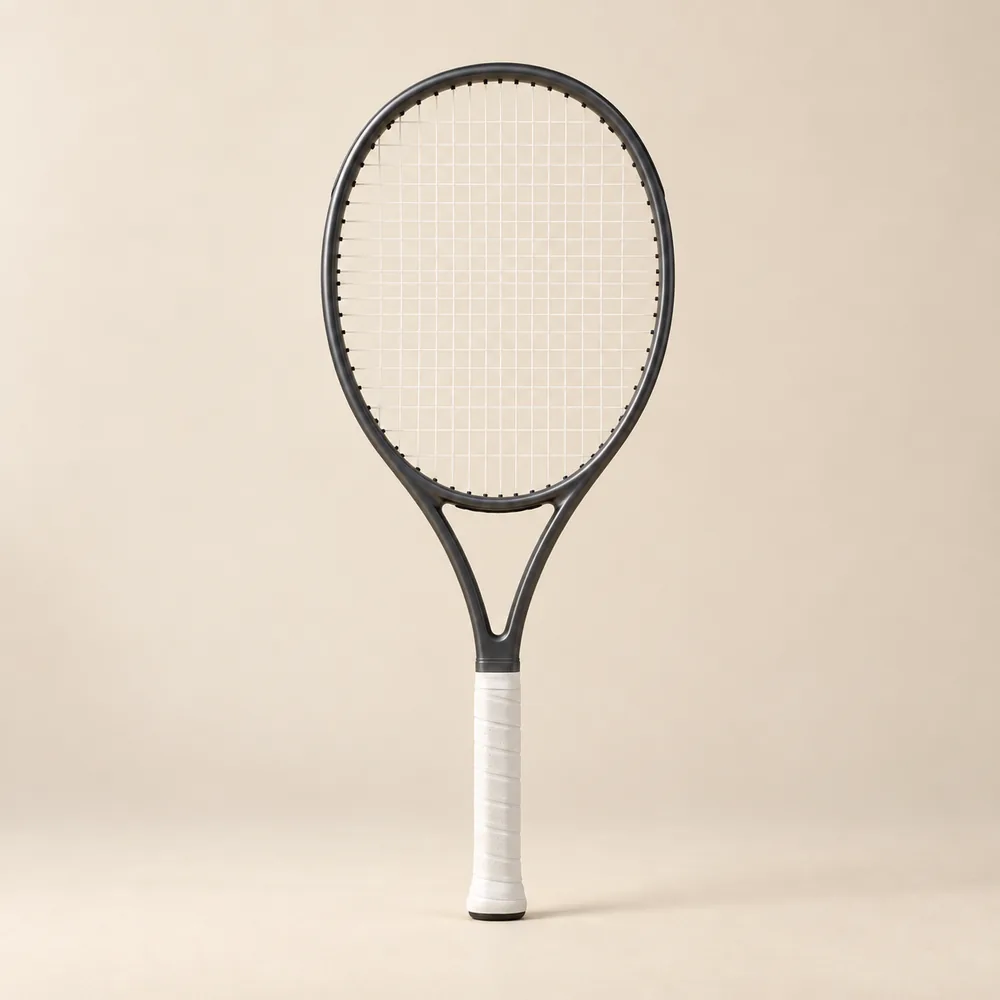
Control Frame 98
A players' frame for the club competitor who generates their own pace. Dense pattern, flat-beam feel, built for depth and placement rather than free power.
- Head size
- 98 in²
- Strung weight
- 305 g
- Balance
- 32.0 cm, head light
- String pattern
- 16 x 19
New on the rack
Where are you now?
Restringing, done properly
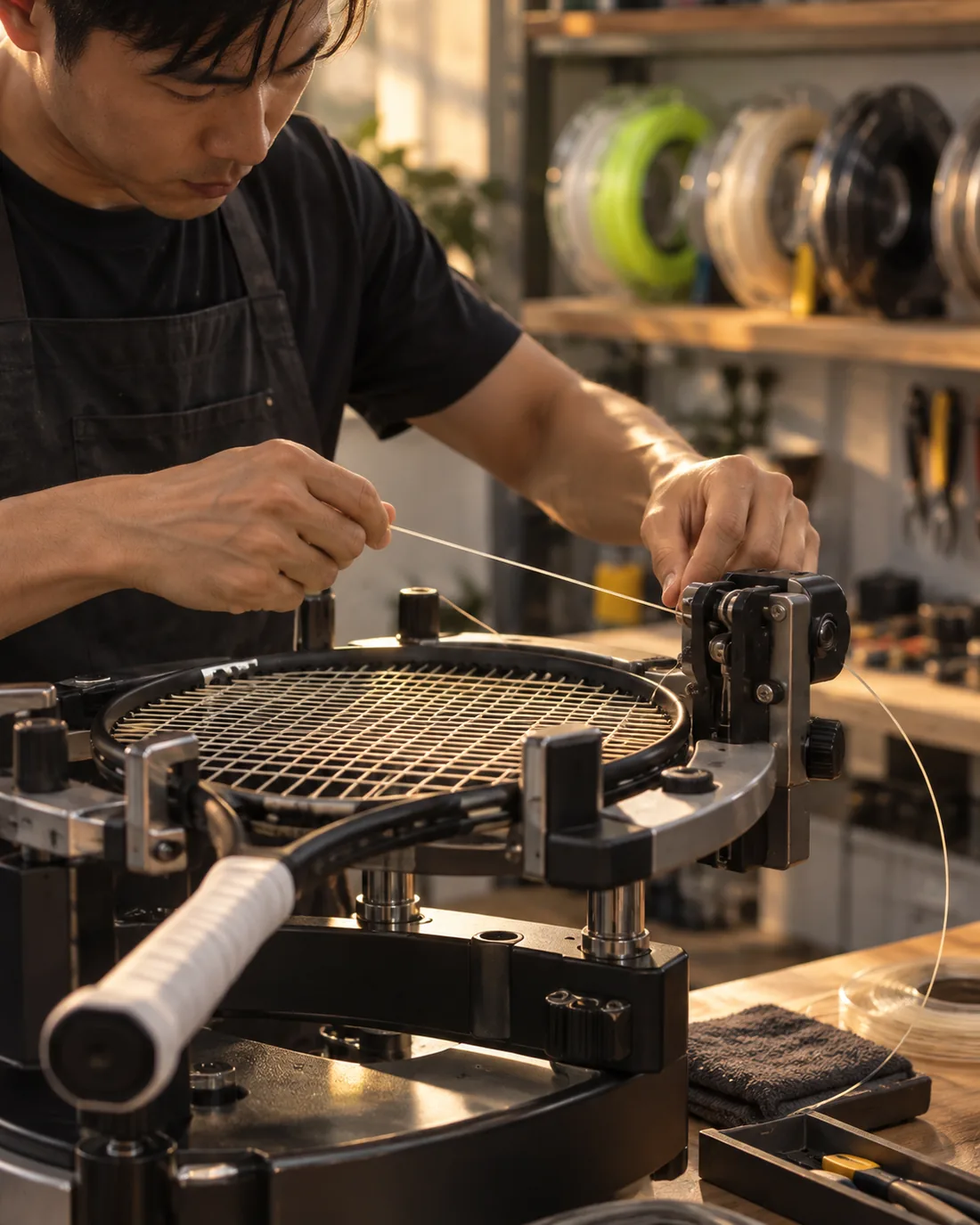
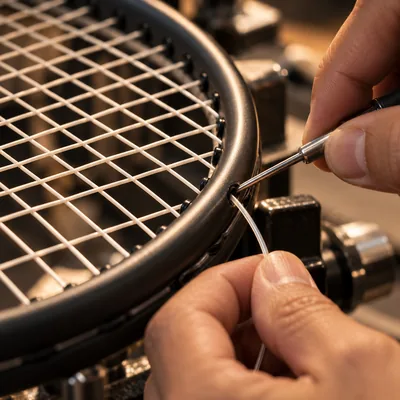
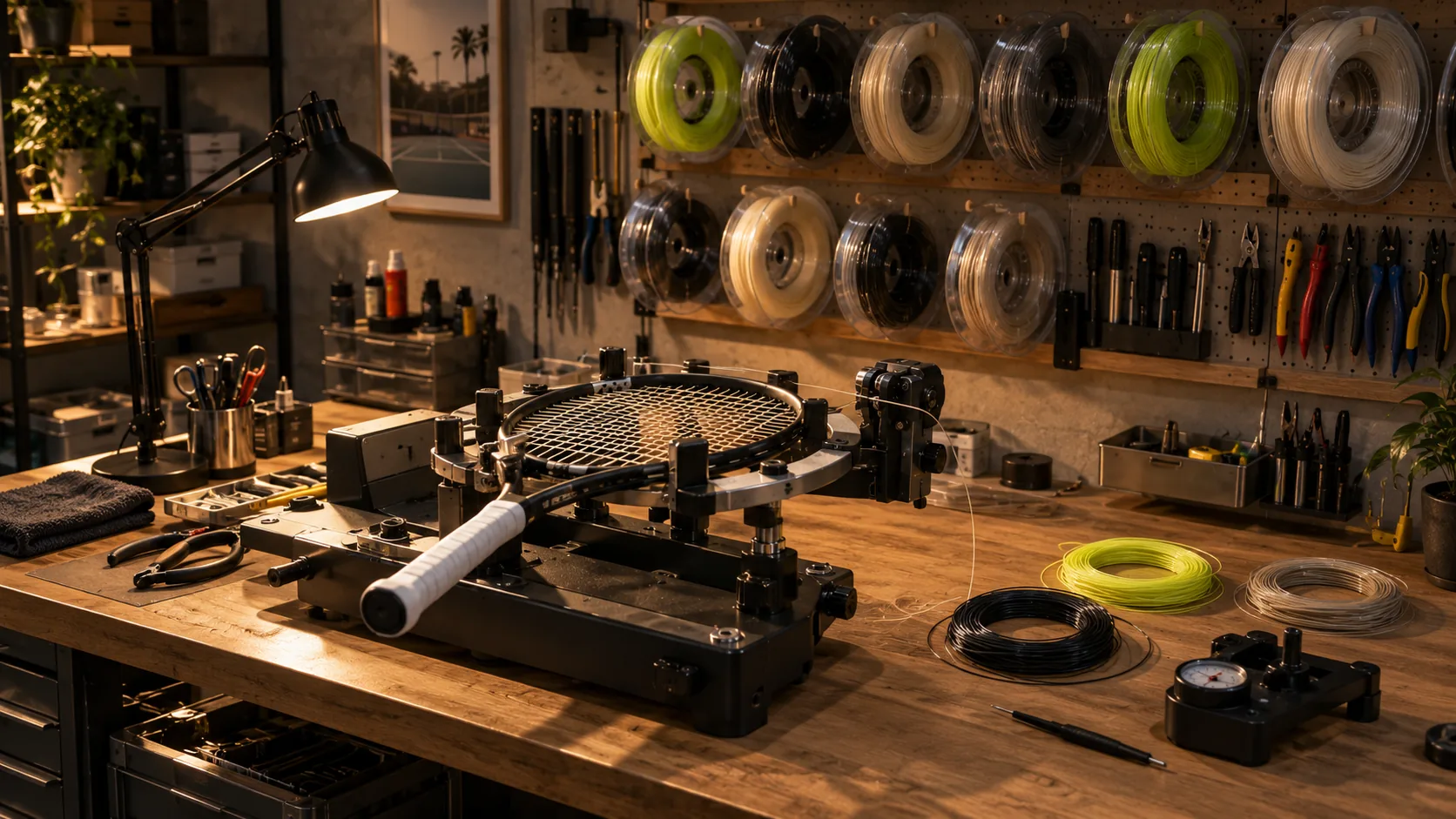
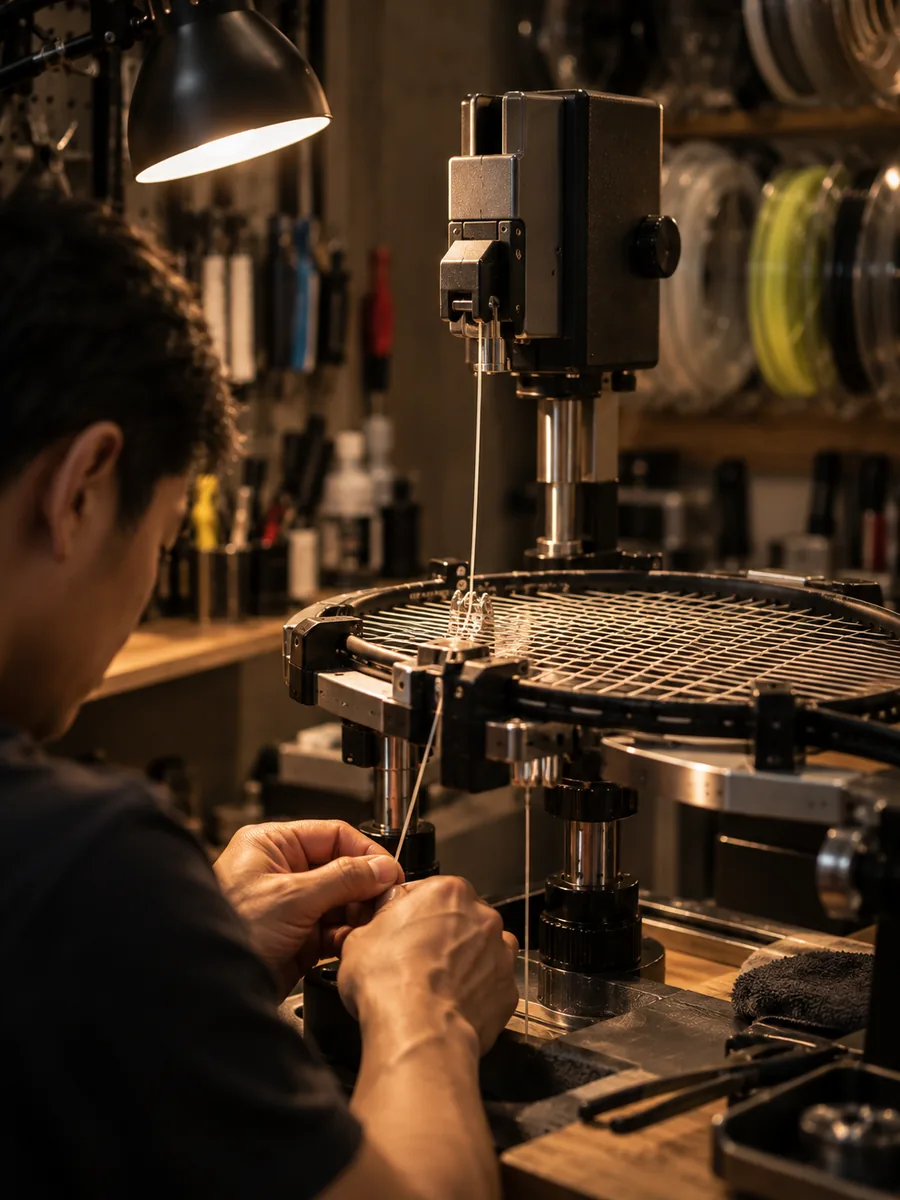
A frame is only as good as the string in it. We restring tennis, pickleball, badminton and squash racquets on a constant-pull machine, to your tension, with your choice of string.
- Sports covered
- Tennis, pickleball, badminton, squash
- Tension range
- 20 to 27 kg (44 to 60 lb)
- Turnaround
- Same day before 3pm
- From
- S$25 including string
Badminton & squash
Badminton
Racquets, shuttles and restringing at the same bench. Stringing for badminton runs a different tension band and a finer gauge, so it is quoted separately.
Squash
Frames, balls and restringing. Squash strings are thinner and break faster than tennis, so most club players restring on a shorter cycle.
One bench, four sports
Bring any racquet in. If it takes a string, we can string it. Ask in store for what we carry on the day.
Which racquet, which string, which tension
Head size, weight, balance and string pattern decide how a frame plays far more than the paint job does. Our guide explains each one in plain English, so you walk in knowing what to ask for.
Read the guide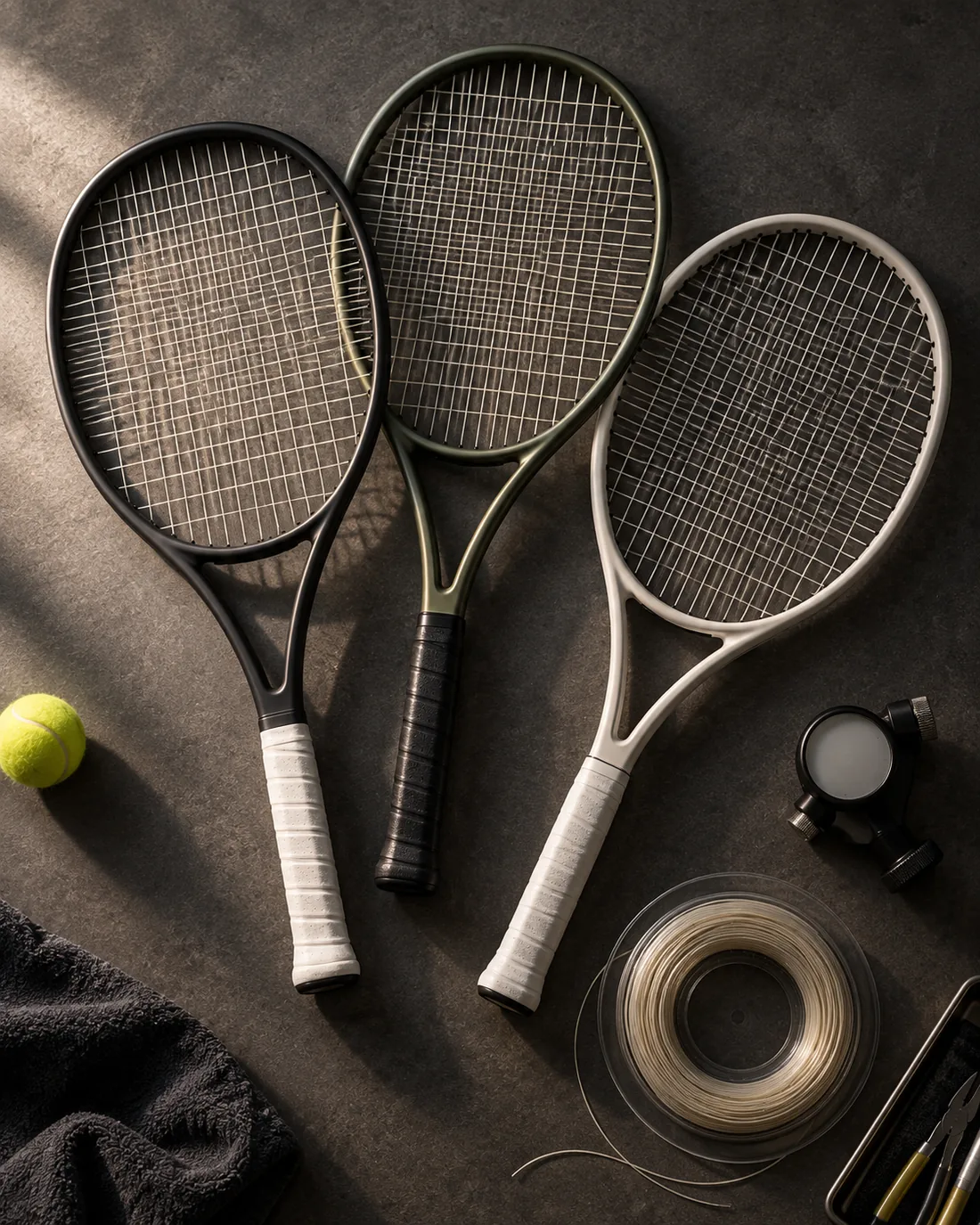
Find us at Queensway
No 1 Queensway
Queensway Shopping Centre
#01-26B, Singapore
Tuesday to Sunday
11.00am to 8.00pm
Closed Mondays
Demo frames, grip fitting and restringing.
+65 6479 2025
hello@theracquetassembly.com
Tennis Racquets
Frames for every level, sorted by how they actually play: how much power the frame gives you, how much control it hands back, and how heavy it swings. Every racquet can be strung to your tension before you take it home.
Buy the swing,
not the sticker
Head size sets the forgiveness, weight sets the stability, balance sets how heavy it feels through the swing and the string pattern sets the spin. Get those four right and the brand matters much less than the shop wants you to think.
Read the buying guide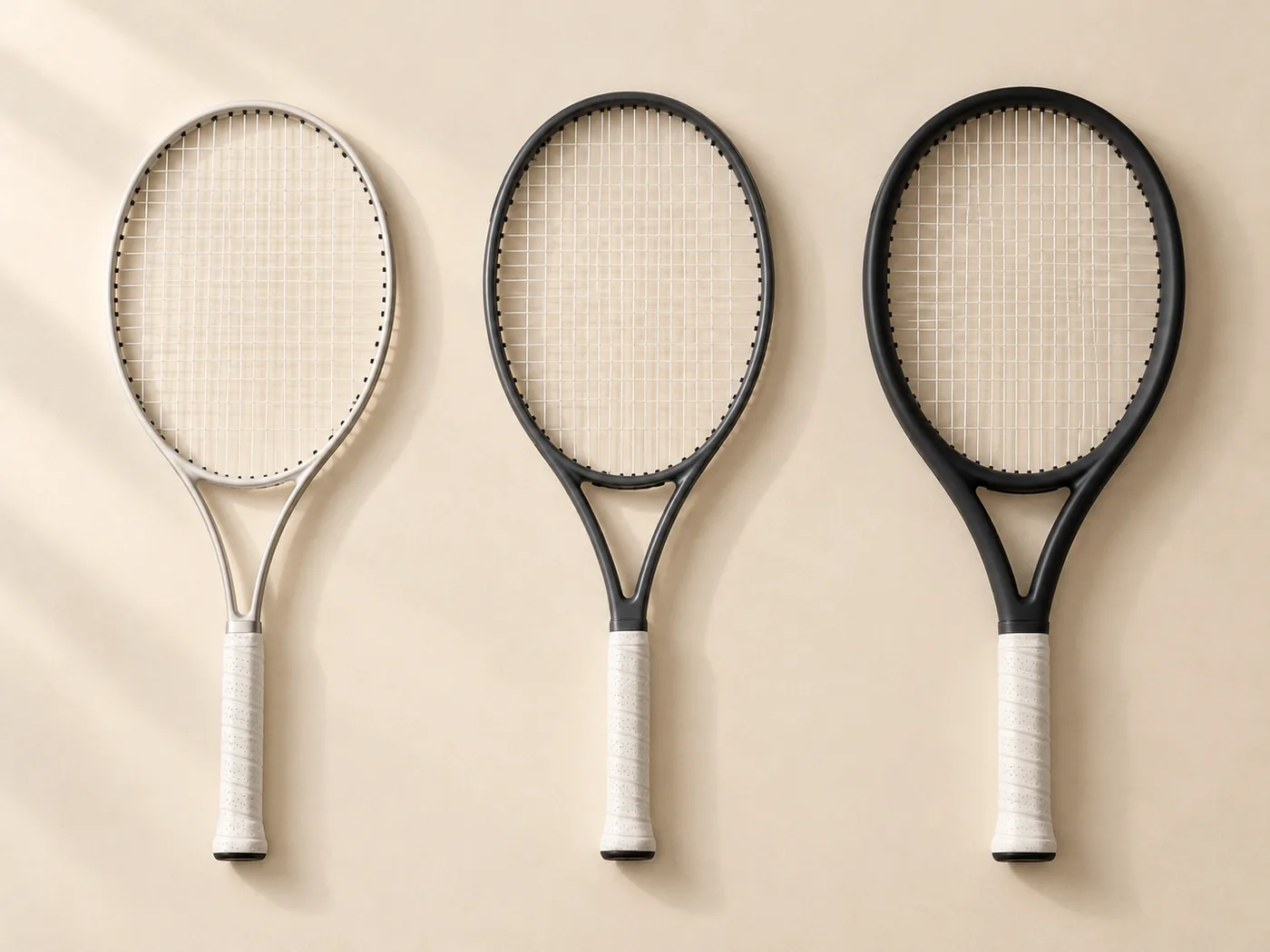
Pickleball Paddles
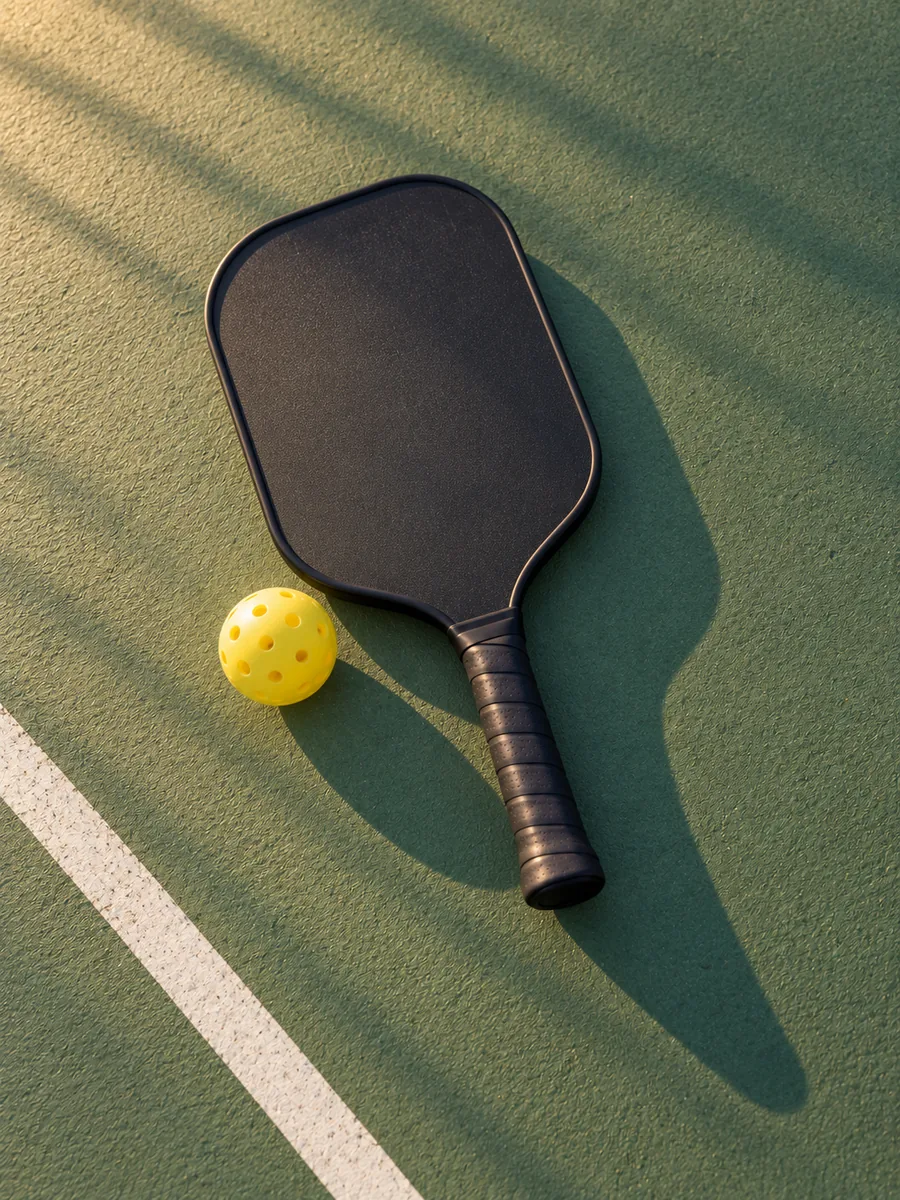
The fastest-growing racquet sport in Singapore, and the easiest to start. Paddles are solid-faced rather than strung, so the choice comes down to core thickness, face material and weight rather than tension.
Three things that change
No strings
A paddle has a solid face over a honeycomb core, so there is no tension to set and nothing to restring. The core thickness does the job tension does in tennis: thicker plays softer and more controlled.
Shorter swing
The paddle is shorter and lighter than a racquet and the ball is slower, so the game rewards placement and soft hands at the net over a long, heavy swing.
Grip still matters
Grip size and overgrip carry over from tennis exactly. If you know your tennis grip, we can fit your paddle to match it in store.

Who it suits
Yes if
You already generate your own pace, you play three or more times a month, and you lose more points long than short. A control frame turns your swing speed into depth instead of into the back fence.
Probably not if
You are still building your stroke, you play once a fortnight, or your arm gets sore. At 305g this frame asks for a full swing every time and punishes a late one.
Try instead
An all-court frame around 100 in² and 285g gives most of the control with noticeably more forgiveness. Ask at the counter and hit with both.
Hit with it
first
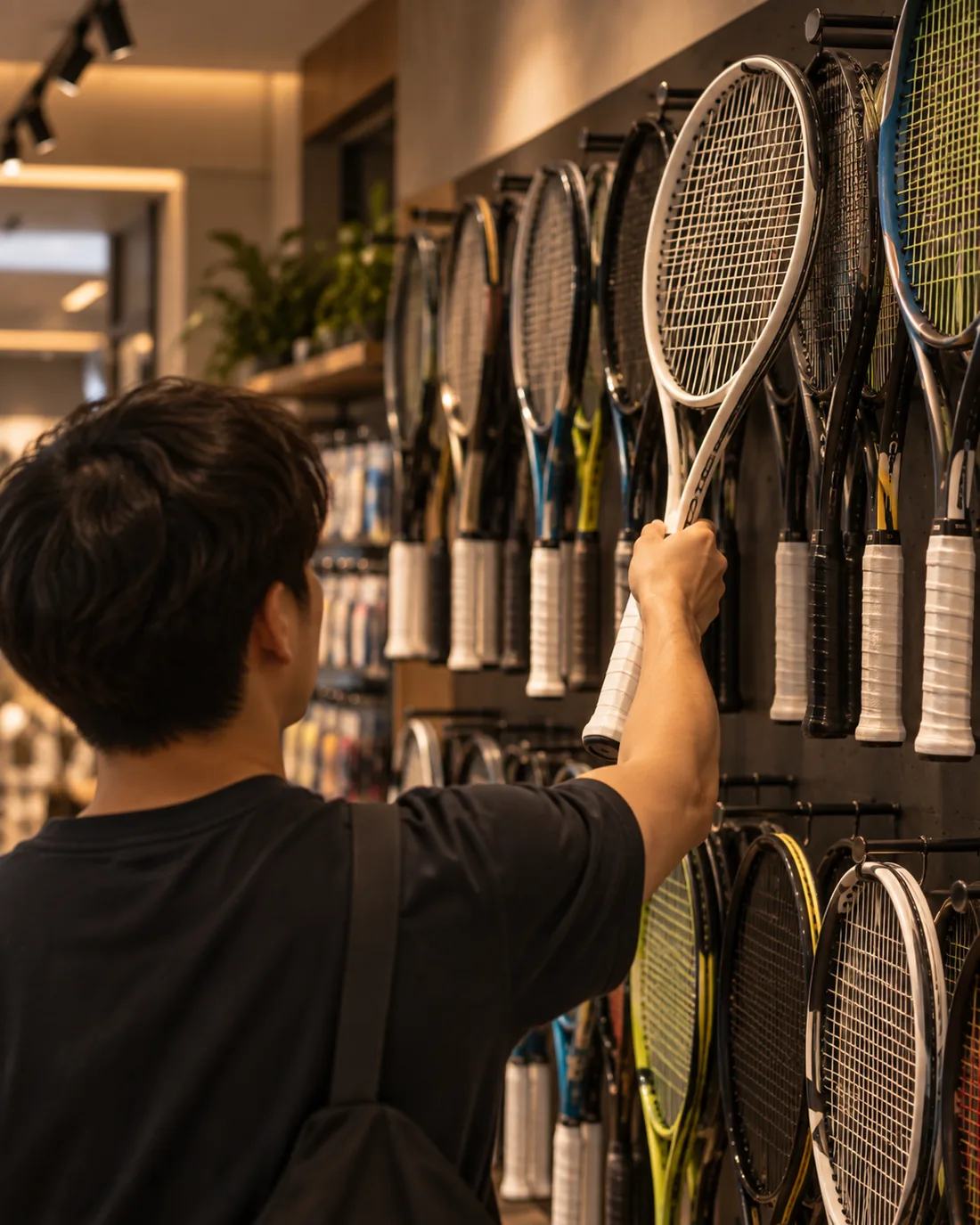
Specifications narrow the choice. They do not make it. Two frames with almost identical numbers can feel completely different in the hand, which is why nobody who plays seriously buys a racquet they have never swung.
We are ten minutes from a court and the frame is on the rack. Come in, take it out, and decide with your arm rather than a spreadsheet.
- Try in store
- Free, any frame on the rack
- Take-home demo
- Yes, up to three days
- Demo fee
- S$20, redeemed against the purchase
Finish the setup
Questions
Can I hit with it before I commit?
What grip size do I need?
Do you string it before I collect?
Delivery and returns
Tennis · Pickleball · Badminton · Squash
Book online, or bring it in and collect.
Restringing
Four steps, one bench
Pick your string
Polyester for spin and durability, multifilament for comfort, a hybrid for both. If you do not know, tell us how often you break strings and we will choose for you.
Set your tension
Lower gives you power and comfort, higher gives you control. Most club players live in a narrow band, and one or two kilos either way is a real difference you will feel.
We string it
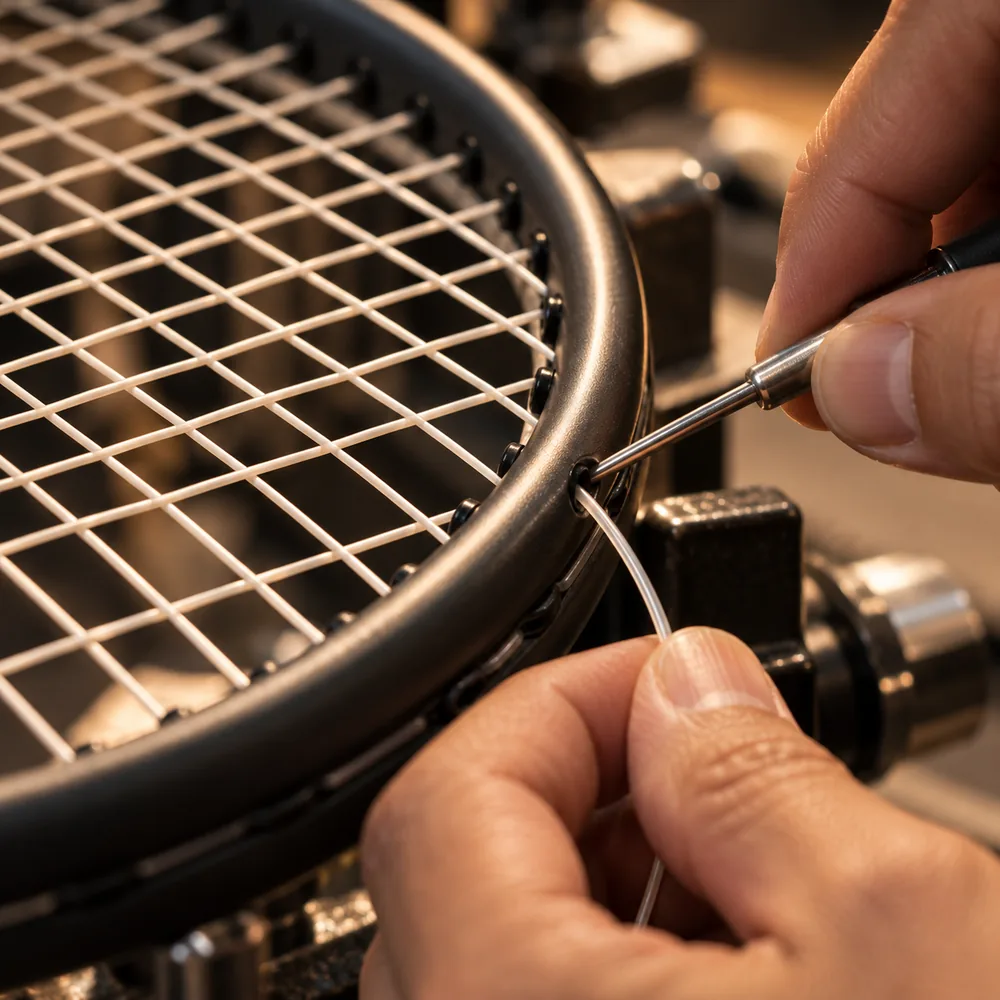
Mounted, tensioned and tied off on the bench at Queensway. Constant-pull electronic machine. Same day if it reaches us before 3pm.
Collect or post
Pick it up in store, or have it posted back. Posted back for S$8 by tracked local post
We tell you it is ready
You get a message the moment it comes off the machine, so nobody turns up speculatively or has to ring to chase it. by WhatsApp
Racquet restringing
Choose your sport, string and tension. Pay online, then drop the frame in at Queensway or post it to us.
Sport String type TensionTennis from S$25, badminton from S$22, squash from S$25, all including a basic string.
Book and payHow often should
you restring?
The old rule still holds: restring as many times a year as you play in a week. Twice a week, twice a year. It sounds crude, and it is close enough for almost everyone.
Strings lose tension from the moment they go on, not from the moment they snap. A frame that has not broken a string in two years is not saving you money, it is quietly costing you control and asking more of your elbow.
More in the guide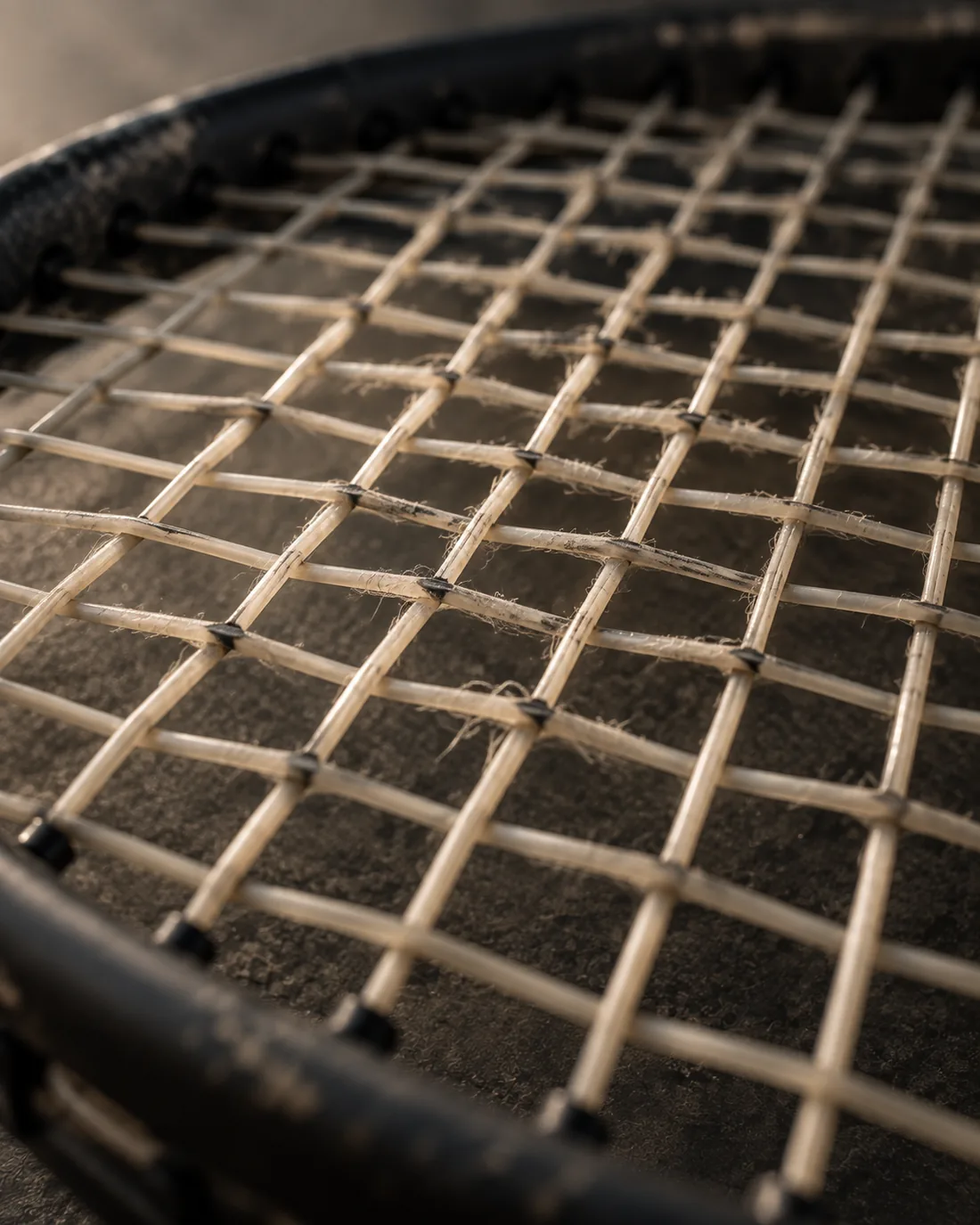
Strings & Grips
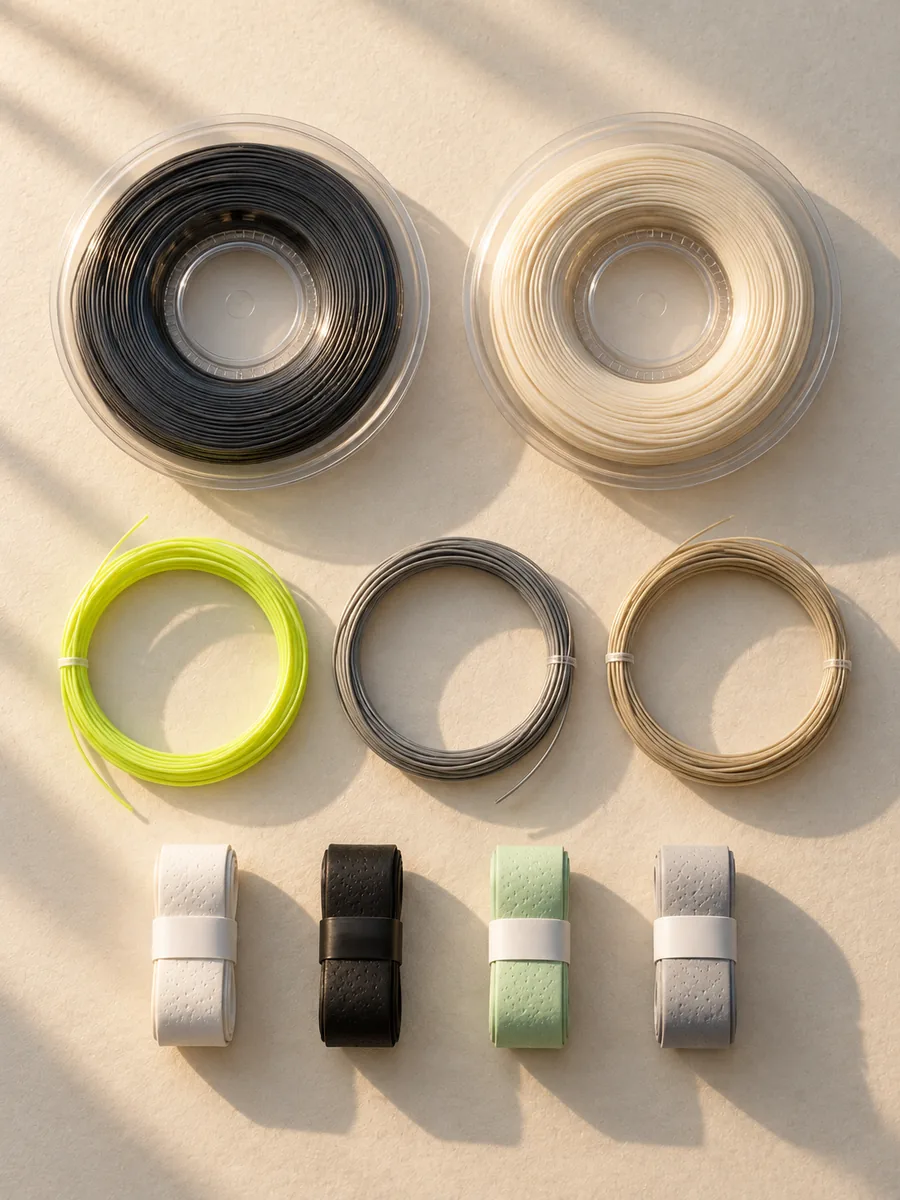
The cheapest upgrade to your game, and the one most players ignore. String sets, reels, overgrips, replacement grips, dampeners and bags.
Which string does what
Polyester (or "poly")
Multifilament
Synthetic gut
Hybrid
Overgrip versus replacement grip
The Racquet & String Guide
Everything a shop assistant would tell you if they had an hour and no queue behind you. Written for players who want to understand the frame in their hand, not just buy one.
1 · What actually decides how a racquet plays
Four numbers decide most of it: head size, weight, balance and string pattern. Paint, brand and the name of whoever endorses it decide none of it. If you learn to read those four, you can walk into any shop in the world and work out what a frame will feel like before you pick it up.
The fifth factor is the string, and it is the one most players never think about. A good frame with dead string plays worse than a modest frame with fresh string, every time.
2 · Head size: forgiveness versus control
Head size is the area of the string bed, measured in square inches. Bigger head, bigger sweet spot, more forgiveness on off-centre hits and more free power. Smaller head, smaller sweet spot, more control and more feedback about what you just did.
- 95 to 98 in²: players' frames. You supply the power, the racquet supplies the precision.
- 98 to 100 in²: the modern all-court middle, and where most club players should start looking.
- 100 to 110 in²: forgiving, easier depth, kinder to a developing swing or a sore arm.
3 · Weight and balance: the two most confused numbers
Weight is how heavy the racquet is on the scales. Balance is where that weight sits along the frame. They are not the same thing, and balance is the one you feel.
A head-light frame carries its mass towards the handle, so it swings quickly and manoeuvres easily at the net. A head-heavy frame carries mass towards the tip, so it feels heavier through the swing and drives through the ball with less effort from you, at the cost of speed at the net.
This is why a 300g head-light frame can feel lighter in play than a 280g head-heavy one. Swing both before you trust the number on the label.
4 · String pattern: where spin comes from
The pattern is the count of vertical strings (mains) by horizontal strings (crosses). A 16 x 19 is relatively open: the strings can move, bite the ball and snap back, which produces spin. An 18 x 20 is dense: more control, more predictability, longer string life, less spin for the same swing.
Open patterns eat strings faster. That is not a fault, it is the cost of the spin.
5 · Grip size, and the test that takes ten seconds
Hold the racquet in a normal forehand grip. Slide the index finger of your other hand into the gap between your fingertips and the base of your thumb. It should just fit. No gap means too small, a loose gap means too big.
Caught between two sizes, take the smaller one. An overgrip adds roughly half a size, so you can always build up. You cannot take a handle back down without shaving it.
6 · Choosing a string
Start from how often you break strings, not from what a professional uses.
- You break strings often and hit with heavy topspin: polyester. Durable, spin-friendly, harsh on the arm, and it dies quietly before it snaps.
- You rarely break strings, or your arm complains: multifilament. Soft, powerful, comfortable, shorter life under a big swing.
- You want one sensible default: synthetic gut. Middle of the road on every axis and priced accordingly.
- You want the spin without the full harshness: a hybrid, polyester one way and a softer string the other.
7 · Tension: the cheapest adjustment in the sport
Every frame has a recommended range printed on the throat. Inside that range, the rule is simple and it surprises people: lower tension gives more power, higher tension gives more control. A looser string bed acts like a trampoline and returns more energy. A tighter one deforms less and returns less, but goes exactly where you aimed it.
One or two kilos is a real, feelable difference. If your shots are flying long, go up. If you are working too hard for depth, come down. It costs nothing but the restring, and it will change your game faster than a new frame will.
8 · How often to restring
The rule of thumb: restring as many times per year as you play per week. Twice a week, twice a year.
The reason players resist this is that they wait for a break. But strings lose tension from the day they go on. A string bed that has not snapped in two years has long since gone dead, and a dead bed means less control and more shock through the elbow. Polyester in particular should be replaced on a schedule, because it goes lifeless well before it fails.
9 · Coming to pickleball from tennis
A paddle is not a small racquet. There are no strings and no tension: a solid face sits over a honeycomb core, and the core thickness does the job tension does in tennis. Thicker cores, around 16mm, play softer and more controlled. Thinner cores, around 13mm, feel poppier and more powerful.
The face material sets the bite. The swing is shorter, the ball is slower, and touch at the net beats power almost every time. What carries straight over from tennis is grip size, so if you know your tennis grip, you already know where to start.
Bring your current racquet to the shop. Reading a worn string bed and a grip tells us more in thirty seconds than a questionnaire does in ten minutes.
Visit the shop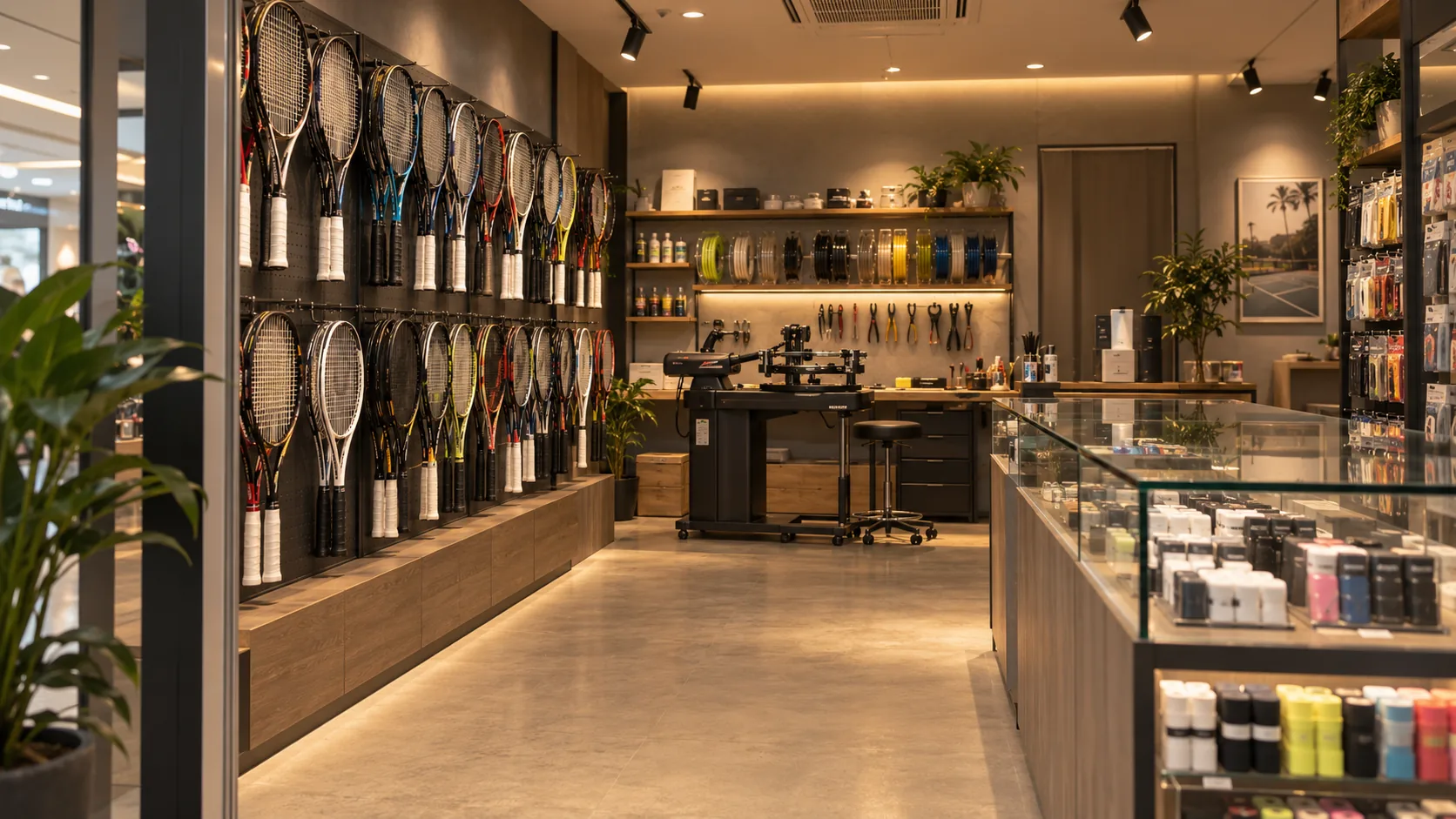
Est. 2025 · Queensway Shopping Centre
A shop with
a bench
The Racquet Assembly
We are a racquet shop at Queensway Shopping Centre, and we have a stringing bench in it. That combination is the whole idea. Selling frames is easy. Knowing which frame suits the person in front of you, and then setting it up so it actually plays that way, is the part that takes a shop.
Queensway has been where Singapore goes for sports gear for decades. We opened here in 2025 because it is where players already come, and because a racquet is not something most people want to buy without holding it first.
We carry tennis and pickleball as our main lines, and we string for badminton and squash at the same bench. If it takes a string, we can work on it.
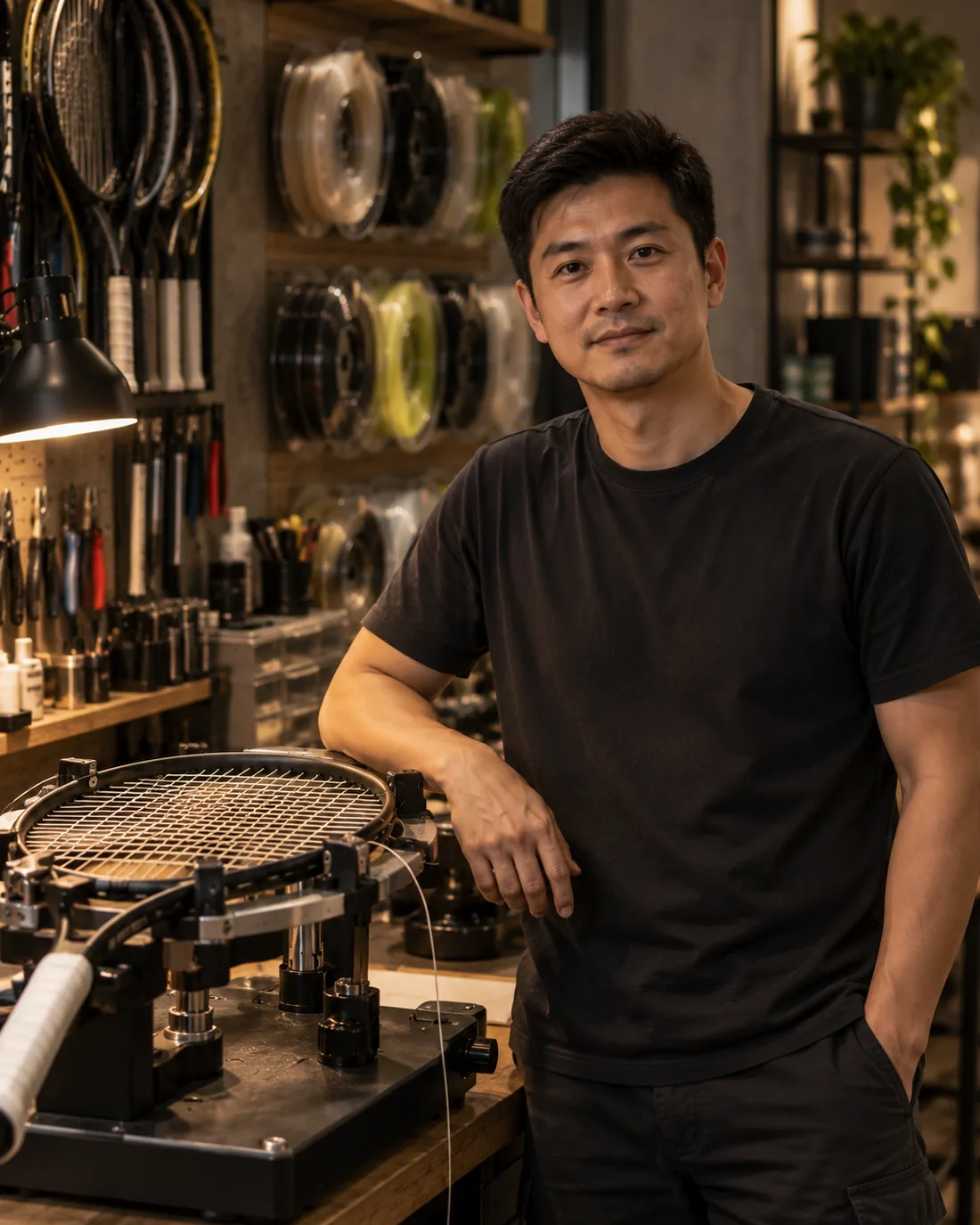
Between us we have been stringing racquets for our own clubs for the better part of fifteen years, which is where the shop really came from: we got tired of sending people across the island for a job we were already doing at the weekend. We carry our own TRA Select frames alongside the major brands, and we will happily tell you when the cheaper one is the better racquet for you.
Three commitments
The right frame, not the dearest one
If a mid-priced all-court racquet suits your game better than the tour frame, that is what we will tell you. A player who comes back for strings for five years is worth more to us than one oversold frame.
Set up before you play
Grip size fitted, string chosen, tension set. A racquet handed over in its wrapper is only half sold. We would rather spend the extra ten minutes at the counter.
Stringing you can ask about
Tell us what your last string bed did wrong and we will change something specific. Vague is easy. Useful takes a bench and someone standing at it.
Visit the shop
Come and hold the frame before you buy it. Restringing, grip fitting and honest advice, six days a week.
The Racquet Assembly
No 1 Queensway
Queensway Shopping Centre
#01-26B
Singapore
| Monday | Closed |
| Tuesday | 11.00 to 20.00 |
| Wednesday | 11.00 to 20.00 |
| Thursday | 11.00 to 20.00 |
| Friday | 11.00 to 20.00 |
| Saturday | 11.00 to 20.00 |
| Sunday | 11.00 to 20.00 |
+65 6479 2025
hello@theracquetassembly.com
Instagram: @theracquetassembly
Messages are answered during shop hours.
Queensway Shopping Centre, #01-26B
Getting to Queensway
By MRT
Queenstown MRT on the East West Line, about 12 minutes on foot
By bus
Buses stop on Alexandra Road directly outside the centre
Parking
Multi-storey car park on site. S$1.20 for the first hour.
FAQs & Size Guide
The questions we answer at the counter most days, and the grip chart worth knowing before you come in.
Tennis grip sizes
| Size | Imperial | Metric | Typical fit |
|---|---|---|---|
| G0 | 4 in | 100 to 103 mm | Junior |
| G1 | 4 ⅛ in | 103 to 106 mm | Small adult hand |
| G2 | 4 ¼ in | 106 to 110 mm | Most women, smaller men |
| G3 | 4 ⅜ in | 110 to 113 mm | Most men |
| G4 | 4 ½ in | 113 to 118 mm | Larger hand |
| G5 | 4 ⅝ in | 118 to 120 mm | Largest hand |
An overgrip adds roughly half a size. Between two sizes, take the smaller and build it up.
Junior racquet lengths
Junior frames are sized by length in inches, not by grip. Go by the child's height rather than their age: two nine year olds can need different lengths, and height is what decides whether they can swing it without dropping the head.
| Length | Height | Typical age | Notes |
|---|---|---|---|
| 19 in | up to 100 cm | 4 and under | First racquet, red ball |
| 21 in | 100 to 110 cm | 4 to 5 | Red ball |
| 23 in | 111 to 125 cm | 6 to 8 | Orange ball |
| 25 in | 126 to 140 cm | 9 to 10 | Green ball |
| 26 in | 141 to 150 cm | 10 to 11 | Last step before adult |
| 27 in | over 150 cm | 11 and up | Standard adult length |
Between two lengths, take the shorter one. A racquet a child cannot control teaches a bad swing that costs far more to fix later than the frame did. We stock 23, 25 and 26 inch.